The storm behind a blue-sky swell
The ocean sorts a distant storm into the sets that reach your beach. Height is only one part of that story.
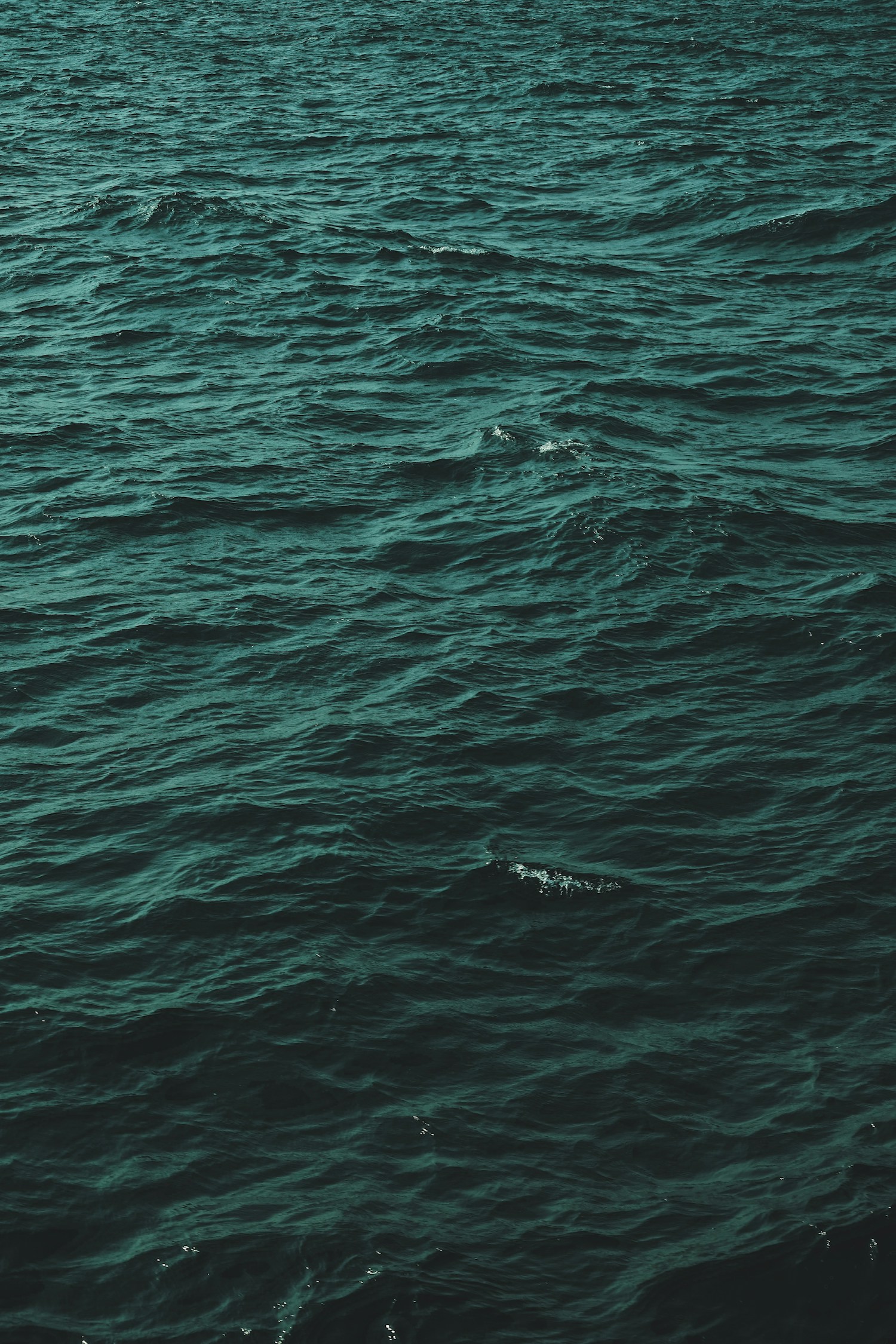
A storm can arrive without its weather
You can stand under a clear New Jersey sky and watch energy arrive from weather far out of sight. NOAA explains that swell can leave its generating storm and travel thousands of miles. Longer waves move faster, spreading the arrival times of a mixed sea. By the time the energy reaches shore, the storm itself can feel like an entirely separate story.
Read the gaps between the waves
A forecast gives you height, period and direction for a reason. The period describes the time between successive waves passing a fixed point. NOAA notes that period also relates to wave speed, energy and the depth over which waves interact with the water. Two forecasts with a similar height can therefore describe quite different seas.
The beach finishes the story
Near shore, the seabed changes the swell. Bottom contours can redirect waves, and shallower water helps transform them into breaking surf. The same offshore swell is an input, not a photograph of what every beach will look like. A coastline is a collection of different receiving surfaces.
Try a small shoreline notebook
On your next beach visit, write down three things before opening the forecast: whether waves arrive in distinct groups, the direction the lines appear to approach from, and where the first waves break. Then compare your observations with the reported period and direction. Keep the location and time with the entry. Over repeated visits, the interesting thing to look for is a pattern at one beach rather than a universal rule.
Keep the observation honest
A notebook does not need a rating or a claim that you predicted the session. Separate what you saw from your explanation for it. “Sets arrived in groups” is an observation. “This was the leading edge of a distant swell” is an interpretation to check. That small distinction makes a surf journal more useful to the next person reading it. This article explains wave behavior; it is not a current conditions forecast.
Read the original sources
NOAA: Waves ↗National Weather Service: Wave detail ↗Sources checked October 22, 2026. Time-sensitive details should be checked again before acting.
There is more to discover.
Back to the journal →